
Don't toss those old magazines! You can transfer any picture from a magazine right onto watercolour paper, wood, canvas or even glass with nothing but Mod Podge and a little water. You don't need a printer at all, which makes this one of the easiest transfers to try.
It's perfect for mixed media, junk journals, scrapbooking and handmade greeting cards. And it doesn't stop at magazines. Comic books, old book pages, sewing patterns and colouring books all work too.
What You'll Need
A magazine page (cheaper, thinner magazines are easiest to start with)
Mod Podge Matte
A brush
Your surface: watercolour paper, wood, canvas or glass
Chalk paint or gesso (for wood, canvas or glass)
A brayer
A small dish of water and a rag
Mod Podge or water-based polycrylic for the top coat
How to Do It
Pick your picture. Any words will transfer backwards, so choose one without writing or one where it won't matter.
If you're using wood, canvas or glass, paint it with chalk paint first so the transfer sticks better. Watercolour paper doesn't need it.
Tear or trim your picture. I like to rip around the edges for a distressed look.
Brush a good coat of Mod Podge Matte over the front of the picture.
Place it face down on your surface and press it really firmly. Use a brayer to get out every bubble and wrinkle, because anywhere there's a bubble won't transfer.
Let it dry for a few hours.
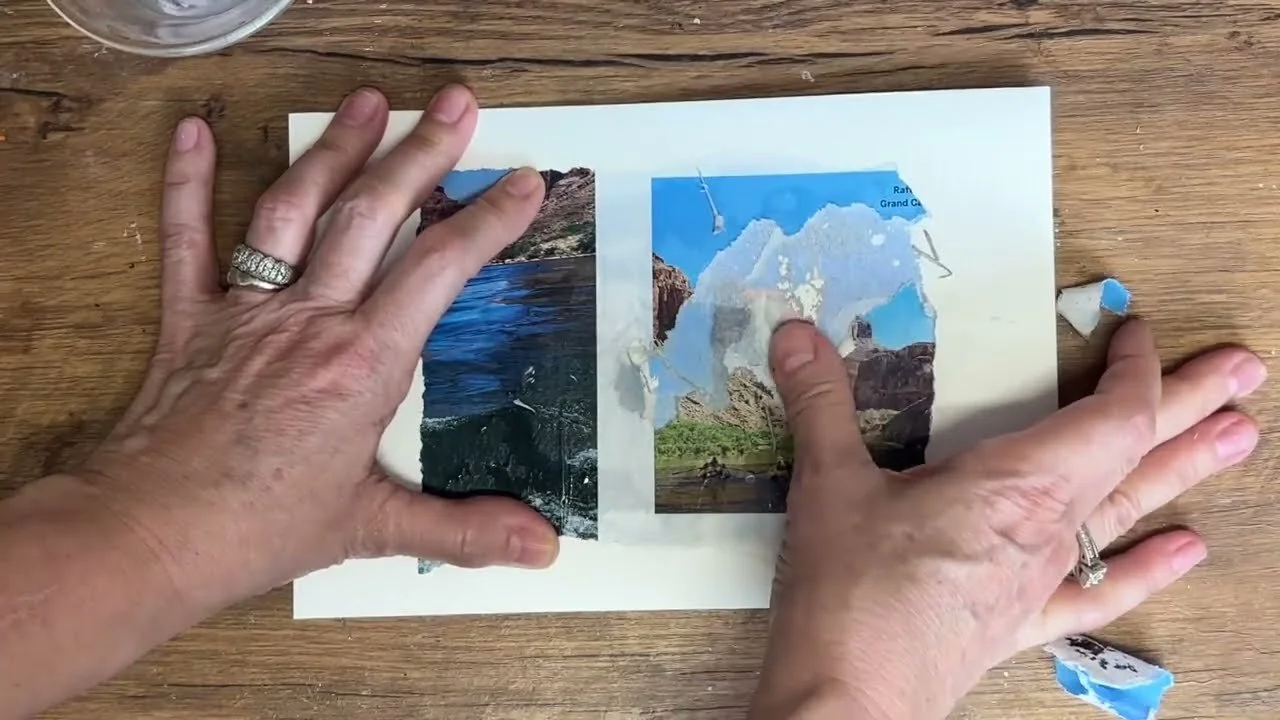
Dampen the back of the paper with a wet rag until it soaks through. Try to keep the water on the magazine page only.
Starting in the middle and working outwards, gently rub the paper away with your fingers until the picture peeks through.
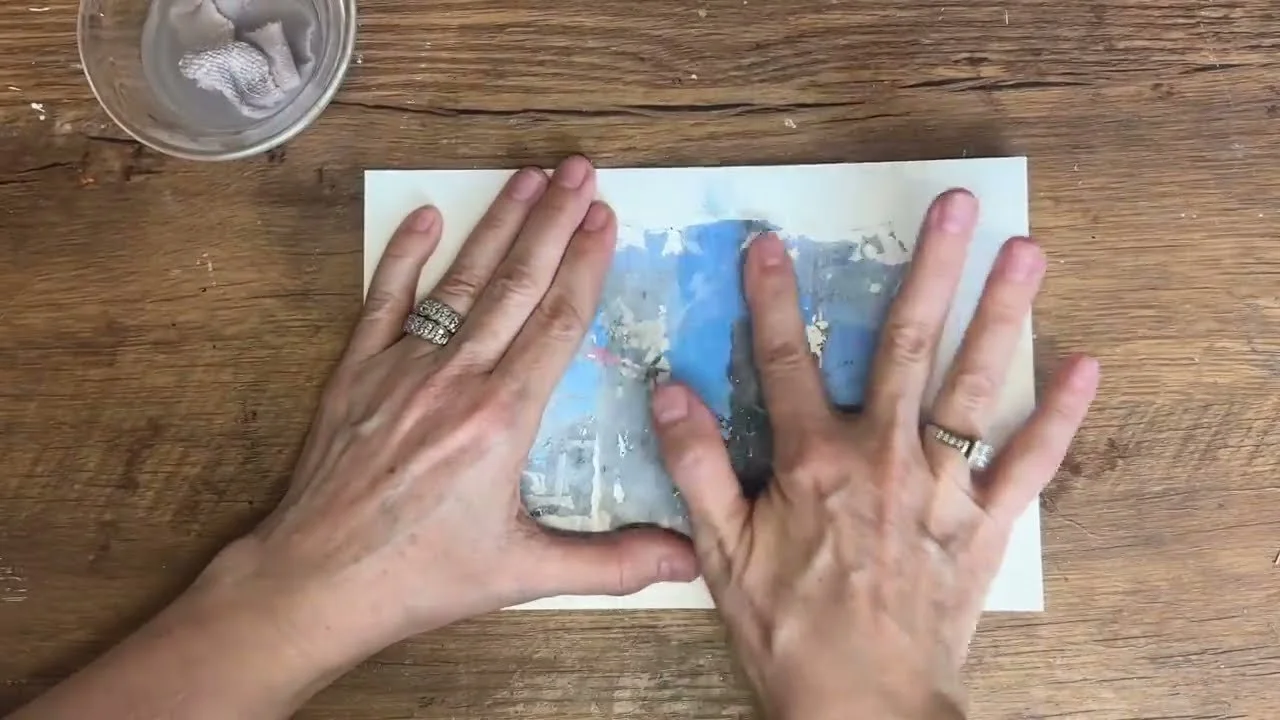
Once the thick layer is off, dip your fingertip in water and work in small circles to remove the cloudy haze. Go gently so you don't rub the picture off.
Finish with a top coat of Mod Podge or water-based polycrylic. The cloudy film disappears as soon as it's sealed.
My Best Tips
Start with a cheaper magazine. Thick pages like National Geographic need a lot more water to soften.
Take your time. Slow and steady wins the race. Make a coffee or tea and enjoy it.
It won't be perfect, and that's okay. A few little rubbed spots give it character.
Don't skip the top coat. That's what makes the haze disappear.
Want to try more transfers? See my packing tape transfer and polycrylic transfer. Members of Our Upcycled Society get my whole graphics library, with new designs every week, plus my Transfers Made Simple ebook free 💛
If you give it a try, I'd love to see how it turns out! Tag me @OurUpcycledLife on social media. I always enjoy seeing your beautiful creations. 💕 Until next time, happy crafting!
